

Photo: JyotiPN · CC BY-SA 4.0
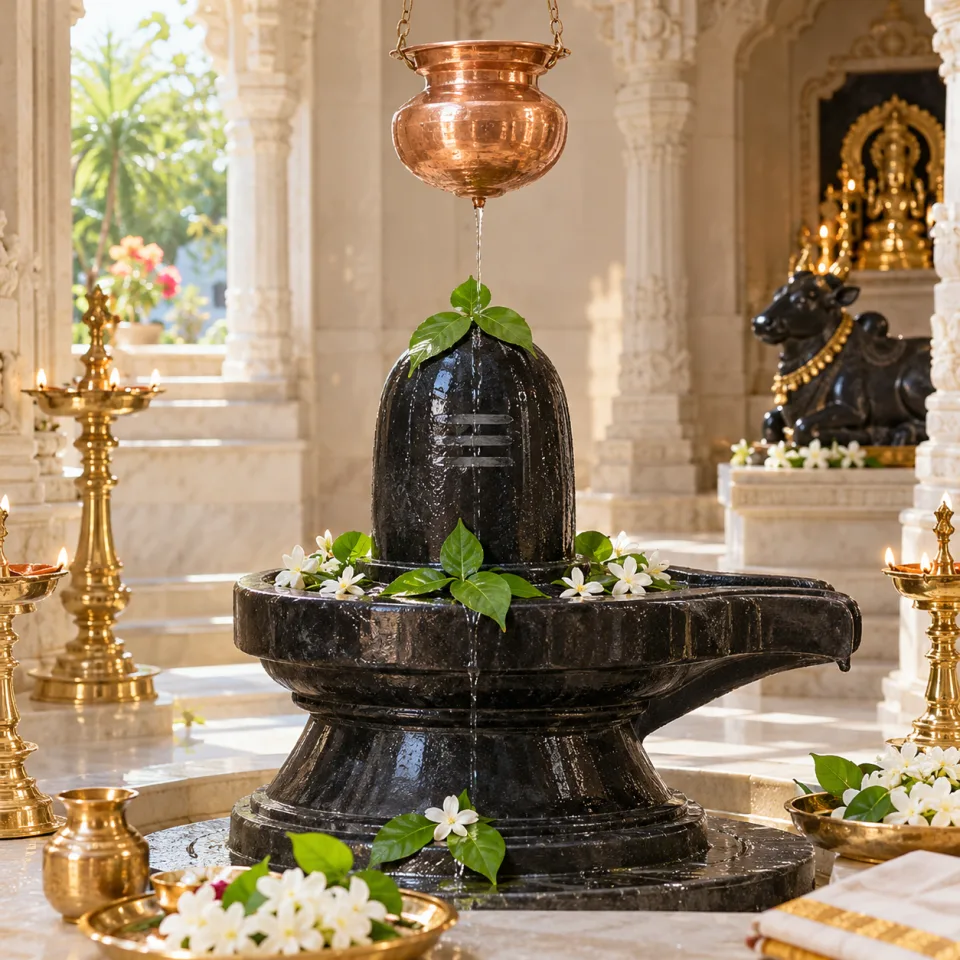
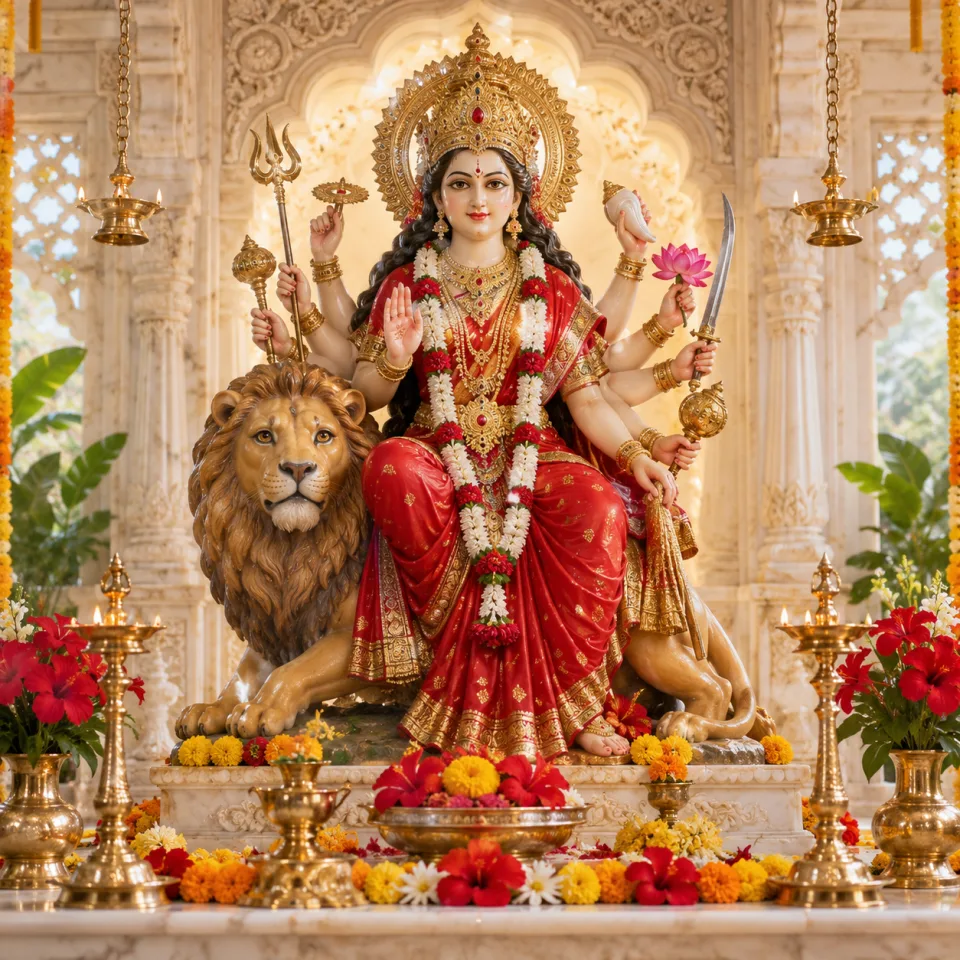
Nartiang Durga Temple is in the West Jaintia Hills district of Meghalaya. It is counted among the 51 Shakti Peethas and is one of the holiest sites of the Shakta tradition in north-eastern India; the temple is about 600 years old. Here the goddess is worshipped as Jayanti and the accompanying Bhairava as Kamadishwar. Hindus of the Jaintia Hills regard it as the permanent abode of Durga, and pilgrims come from across the country for Durga Puja. A Shiva temple stands within walking distance.
Choose a date, save your starting point, and tick off a simple checklist.
Confirm the opening schedule and entry requirements.
Follow the temple’s posted visitor instructions and queue.
Allow time for a quiet visit and your return journey.
Locate the temple and open travel directions.
Meghalaya
Confirm opening hours and entry requirements before choosing your travel time. Allow time for queues, breaks and your return journey.
The pin marks the temple area. Follow local signs for the visitor entrance.
Current opening hours are not confirmed in this guide. Check with the temple before travelling.
View sourcesAsk the temple office which offerings are accepted before buying them. An offering is a personal choice.
Confirm dress, entry, photography and belongings rules with the temple before your visit.
Approximate straight-line distances; open directions for the travel route.

A Shiva temple of 1694 on Umananda (Peacock) Island in the Brahmaputra at Guwahati, reached by boat.

An important Krishna temple at Rajaduar in North Guwahati, on the northern bank of the Brahmaputra.
Explore poojas from the Healers World catalogue.
Check current timings and visitor rules with the temple before travelling.