
Understand what the tradition is expressing
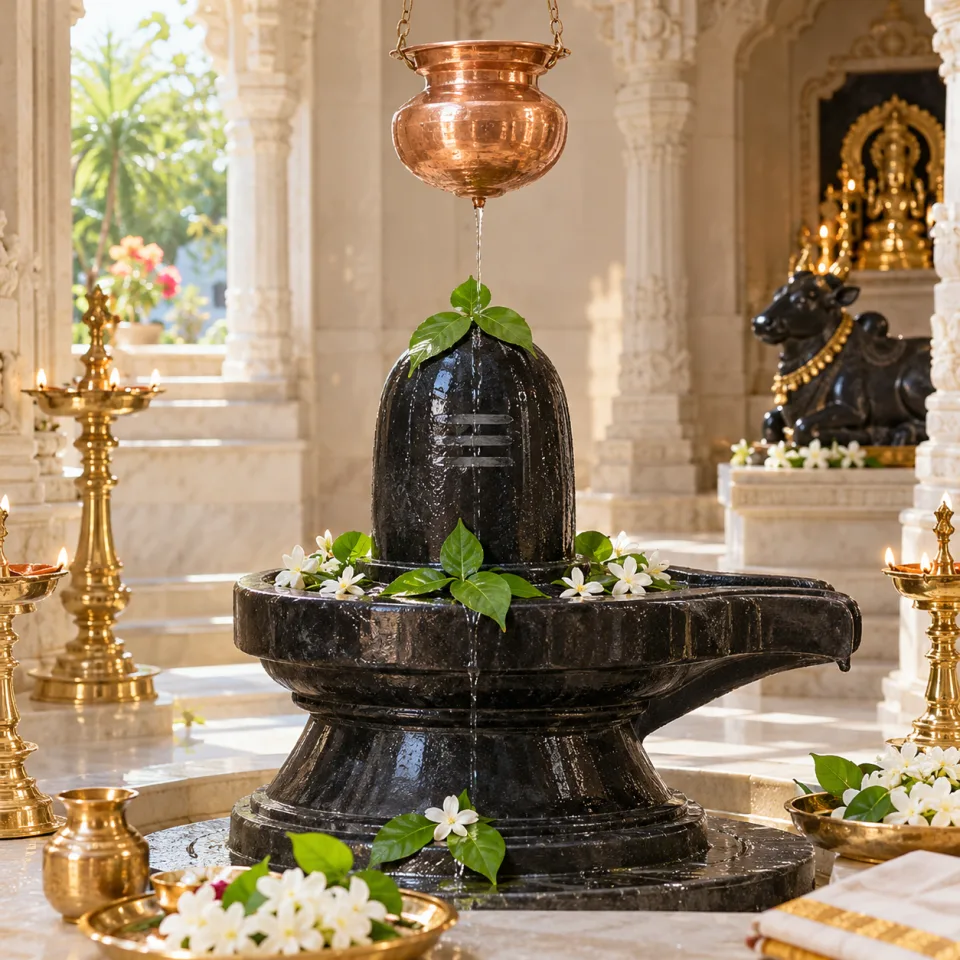
The temple trust describes Vishwanath as the Jyotirlinga of Shiva at the heart of Varanasi and explains the significance that devotees attach to darshan. These are statements about a sacred tradition and its meaning to worshippers. They should not be converted into a guarantee of a spiritual result for every visitor. For someone new to the subject, it is enough to begin with the name, the dedication and the place of the shrine in this wider devotional landscape.
Give a short story an honest frame
A video can bring a subject close through narration, images and music. It cannot, by itself, establish the date or provenance of every claim associated with an ancient city. Watch with curiosity, then follow the source links for a clearer distinction between a temple’s religious account and any historical question you wish to explore. When sharing the story, avoid presenting dramatic imagery as proof of a historical event or as a current view of the visitor route.
Plan for the city and the people with you
Devotion and travel planning work well together when each receives attention. Check the official temple portal for the services and arrangements relevant to your visit. Consider how you will reach the entrance, where belongings can be kept under current rules and how much walking your companions are comfortable doing. Leave time between activities. A crowded itinerary can make it harder to listen, observe and respond to what the day actually requires.
Keep one observation after the visit
Instead of expecting a particular emotion, notice something concrete: a sound, a conversation or the way people make space for one another. A personal observation can be more lasting than a checklist of sights. You may also choose one question for further reading about Shiva devotion or Varanasi. The accompanying video is a beginning; our temple guide and the official sources help you continue with a sense of place and proportion.